

- by Eliyahu Vahnun
Men's Skincare Routine: Simple 4-Step Guide
- by Eliyahu Vahnun
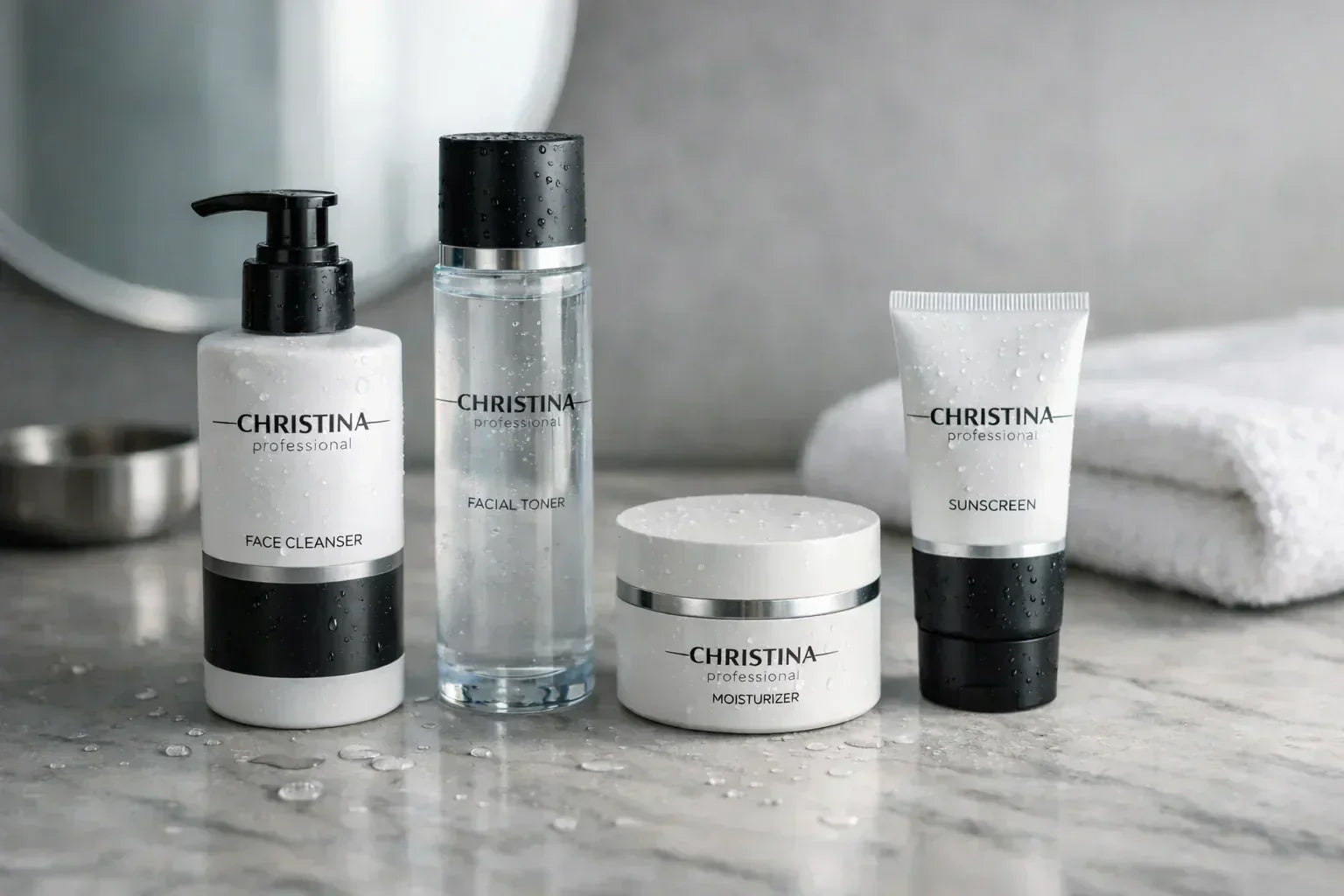
Most men don't have a skincare routine. And honestly? Bar soap and water is where it ends. If that sounds familiar, you're not alone — and you're not doing anything catastrophically wrong. But your skin is quietly paying the price. Men's skin is thicker, produces more oil, and takes a daily beating from shaving. That combination leads to clogged pores, dryness, razor burn, and early signs of ageing that build up faster than most people expect. The good news? A proper men's skincare routine doesn't have to be complicated. This 4-step guide takes under 3 minutes, morning or night, and makes a noticeable difference within weeks. At Skin Care & Co., we focus on simple, effective routines using premium formulations like Christina Professional to help you get real results without overcomplicating your routine.
Before getting into the routine itself, it helps to understand why men's skin has its own specific needs — because the answer determines which products actually work for you.
Men's skin is roughly 25% thicker than women's, thanks to higher testosterone levels. This extra thickness means it can look more resilient, but it also produces significantly more sebum (oil), which means enlarged pores, shine, and a higher risk of breakouts. The sebaceous glands in men's skin are more active, particularly in the T-zone — forehead, nose, and chin.
Then there's shaving. Whether you shave daily or every few days, the razor creates micro-abrasions across your skin's surface. This weakens the skin barrier over time, leaving it prone to redness, sensitivity, and irritation. Using the right products helps that barrier recover faster — and keeps it strong enough to handle the next shave.
Put simply: men's skin isn't just "tougher." It has specific challenges that a targeted routine addresses better than a bar of soap ever will.
Using the right products starts with knowing your skin type. Here's a simple test: wash your face with a gentle cleanser, pat it dry, and wait one hour without applying anything. Then check how your skin looks and feels.
You don't need a perfect diagnosis. Even a rough idea of your skin type helps you choose between, say, a gel cleanser versus a cream cleanser, or a lightweight moisturiser versus a richer one. Knowing your skin type helps you build the right men's skincare routine for better results.
Here's the routine. Four steps, under 3 minutes, and you're done. Each product has a job, and the order matters.
Your cleanser is the foundation of your routine. It removes oil, sweat, pollution, and dead skin cells that sit on the surface throughout the day (and overnight). Using a proper face cleanser — not your body wash, and definitely not bar soap — makes every other product in your routine work better. If you're unsure which product to choose, check out this detailed guide on best facial cleansers for every skin type guide to find the right match for your skin type.

Choosing the right one:
How to use: Wet your face with lukewarm water — not hot, which strips natural oils. Apply a small amount of cleanser and massage in gentle circular motions for about 30 seconds. Rinse thoroughly and pat dry with a clean towel. Don't rub. Morning and night.
Browse our men's skincare collection for face washes formulated specifically for men's skin.
Toner is the most underrated step in any skincare routine — especially for men. After cleansing, your skin's natural pH can be slightly off-balance. A toner quickly resets it back to its naturally acidic state (~5.5), which keeps the protective skin barrier functioning properly.
Think of toner as the prep step: it removes any residue your cleanser left behind and creates a clean, hydrated surface that lets your moisturiser absorb more effectively. It also helps control oiliness over the course of the day.
What to look for: Choose an alcohol-free formula. Old-school toners were harsh, astringent, and stripping — modern toners are nothing like that. Look for ingredients like niacinamide (for oily skin), hyaluronic acid (for dry skin), or aloe vera (for sensitive skin).
How to use: Pour a small amount onto a cotton pad and sweep gently across your face and neck. Alternatively, pour a few drops into your palms and press into skin. Wait about 30 seconds before moving to the next step.
Want to know more? Read our full guide on what facial toner does for your skin, or explore our facial toner collection.
Here's the one that surprises most men: even oily skin needs moisturiser. When skin is dehydrated, it overproduces oil to compensate — leading to more shine, more breakouts, and more of what you're trying to avoid. A good moisturiser tells your skin it's hydrated enough, so it doesn't go into oil overdrive.
Choosing the right one:
How to use: Apply a pea-sized amount to your face and neck. Gently press and smooth upward. Apply while your skin is still slightly damp from toner for better absorption.
Explore our moisturiser collection to find the right formula for your skin type.

UV exposure is the single biggest cause of premature ageing — fine lines, dark spots, and loss of firmness. It happens whether the sun is blazing or hiding behind clouds. And most men simply don't use SPF.
If you do nothing else differently after reading this, add SPF to your morning routine. Even SPF 30 significantly reduces long-term skin damage. The easiest approach? A moisturiser with built-in SPF 30+ so you're not adding an extra product.
Important: SPF is a morning-only step. At night, skip it — you don't need UV protection while you sleep, and it won't add anything to your night routine.
Slightly — and it's worth knowing the difference so you use the right products at the right time.
Morning routine: Cleanser → Toner → Moisturiser → SPF. Your main goals are removing overnight sweat and oil, balancing your skin, hydrating it, and protecting it for the day ahead.
Night routine: Cleanser → Toner → Serum (optional) → Moisturiser. Drop the SPF — you don't need it at night. If you wear sunscreen or have been sweating heavily, double cleanse: an oil-based cleanser first, then your regular face wash. At night, your skin is in repair mode, so a slightly richer moisturiser or a targeted serum (like a retinol or vitamin C) works well here. This is the best time for treatment products.
The core 4-step framework stays the same. The only differences are SPF in the morning and optional serums at night. Keeping your men's skincare routine consistent both morning and night is key to healthy skin.
Even with a routine in place, a few common habits can undo your progress. Here's what to watch out for:
Avoiding these mistakes will make your men's skincare routine far more effective. At Skin Care & Co., you’ll find carefully selected skincare products designed to match every step of your routine.
Everything you need for a complete men's skincare routine, in one place. Browse our most popular picks:
Start with just 3 steps — cleanser, moisturiser, and SPF. Once those feel like second nature, add a toner for better results. Build gradually rather than trying to introduce 6 products at once.
Twice a day — morning and night. Over-washing strips your skin's natural oils and can actually increase oiliness as a rebound effect. If you've been working out, rinse with water and cleanser after exercise too.
The core steps are the same, but men's skin is around 25% thicker, produces more oil, and deals with shaving irritation on top of everyday environmental stressors. Lightweight, non-greasy formulas tend to suit men better, and post-shave care is worth adding if you shave regularly.
Yes. Toner balances your skin's pH after cleansing, removes residual impurities, and helps your moisturiser absorb more effectively. It takes 10 seconds to apply and makes a meaningful difference. Read our full guide on what facial toner does to learn more.
At a minimum: a face cleanser, moisturiser, and SPF 30+. These three cover the basics and protect against the most common skin concerns. Adding a toner and serum will improve your results further over time, but the core three are where to start.
Share:
Serum vs Moisturizer: What's the Difference?
Facial Toner: What It Does and Do You Need One?